
Suggestions
No matching terms.
What sets it apart: Antigua grows in a volcanic valley (Agua, Fuego, Acatenango). The classic cup is balanced chocolate with a mineral edge—distinct from higher, cooler Huehue.
How it’s produced and typical processing: In Antigua Guatemala, production usually sits between 1500–1800 m. Typical processing includes lavado. Harvest is often December–March. Cross-check altitude, process and producer—the regional name alone is not enough.
Flavours in the cup: In the cup, Antigua Guatemala lots often suggest chocolate, baked apple, soft smoke and caramel. Variety, process and roast shift the profile: use it as a compass within Guatemala, not a fixed label.
Typical process in specialty: In specialty, Antigua Guatemala refines a search inside Guatemala: read farm/station, variety and process on the label. Medium espresso or full-bodied filter highlights cocoa and sweetness.
Technical notes and common mistakes: Don’t treat “Antigua Guatemala” as an automatic quality guarantee or as all of Guatemala. Avoid paying only for the regional name or equating one micro-lot with the zone average.
Region details
Reference data for the coffee-growing area.
Facts
- Altitude 1500–1800 · 1500–1800 m
- Cup profile chocolate, baked apple, soft smoke and caramel
- Brewing hints Medium espresso or full-bodied filter highlights cocoa and sweetness.
- Harvest December–March
Main processes
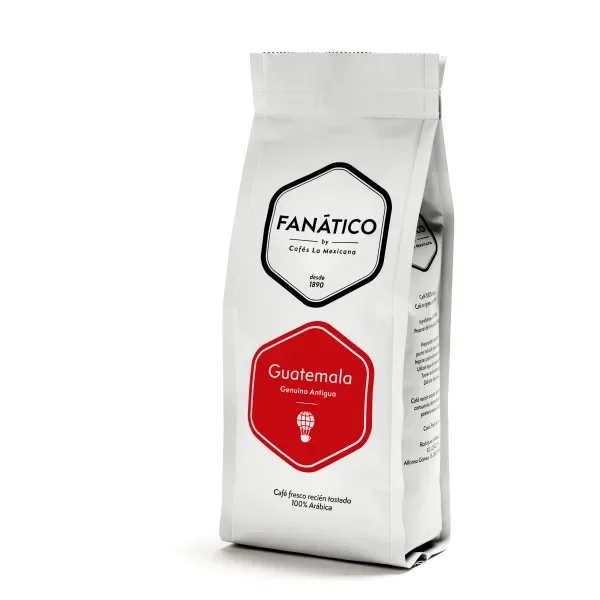
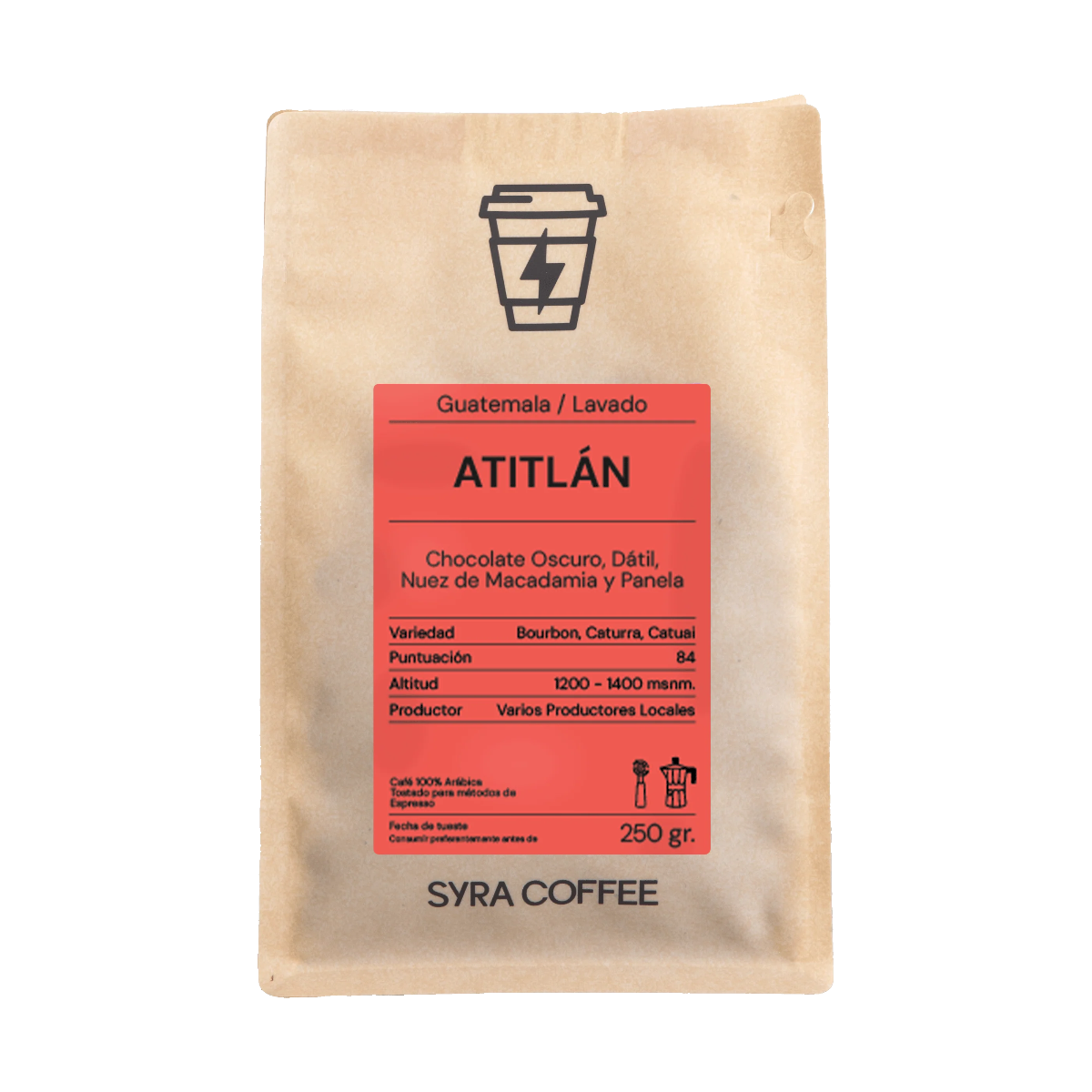
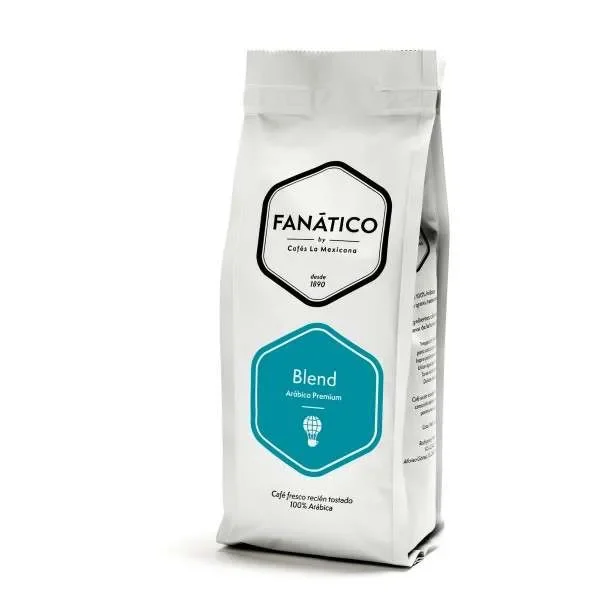
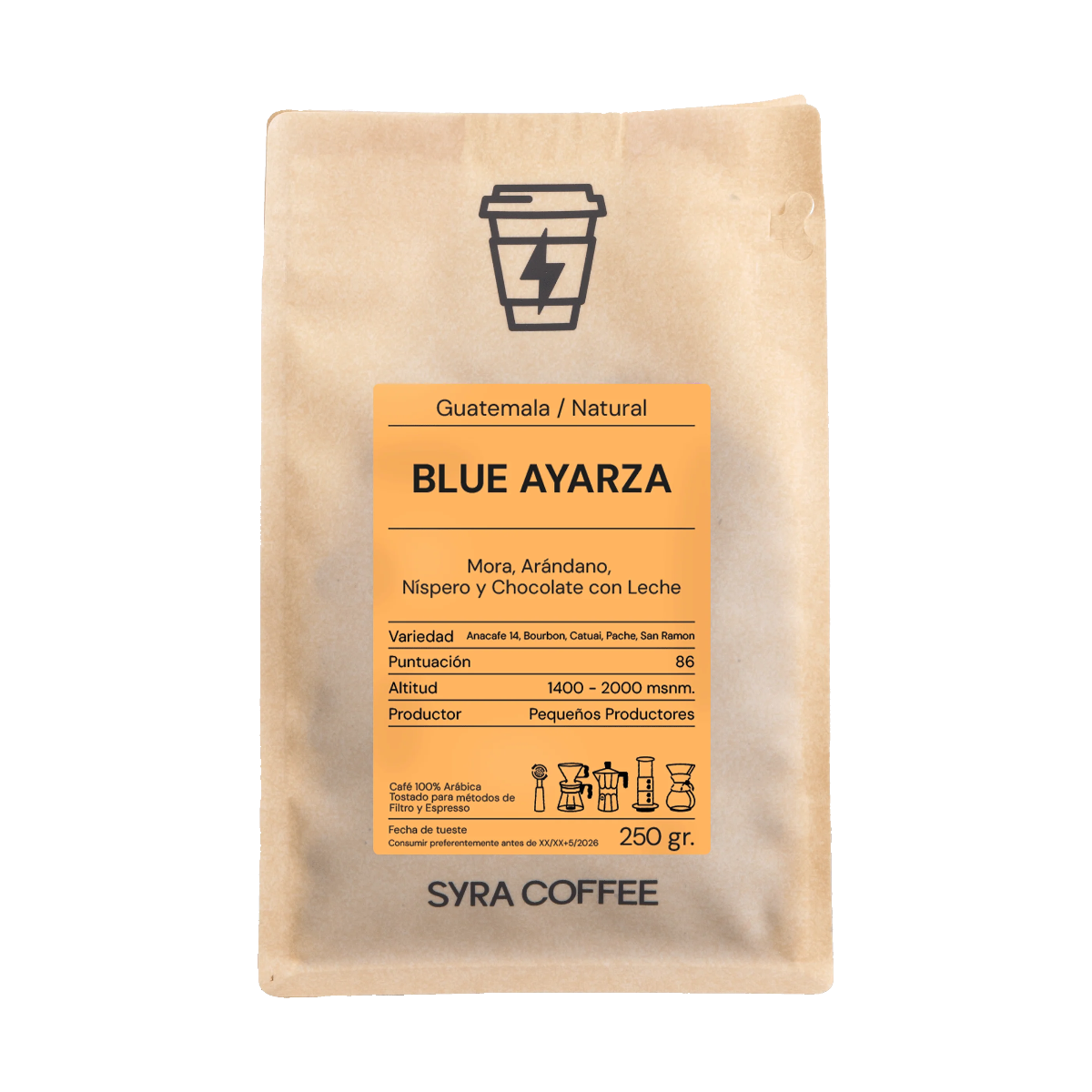
Suggested coffees
Catalog suggestions from this origin. Tap to open the coffee detail.

In Cafesito
Save coffees to your pantry, brew with method and keep your diary.