
Suggestions
No matching terms.
What sets it apart: West Valley clusters innovative micro-mills near the Central Valley—more honey and experimental processes than classic high Tarrazú.
How it’s produced and typical processing: In West Valley, production usually sits between 1200–1700 m. Typical processing includes honey, lavado, natural, anaerobico. Harvest is often November–March. Cross-check altitude, process and producer—the regional name alone is not enough.
Flavours in the cup: In the cup, West Valley lots often suggest tropical fruit, honey, cocoa and white flower. Variety, process and roast shift the profile: use it as a compass within Costa Rica, not a fixed label.
Typical process in specialty: In specialty, West Valley refines a search inside Costa Rica: read farm/station, variety and process on the label. Try honey on V60; naturals with a slightly coarser grind.
Technical notes and common mistakes: Don’t treat “West Valley” as an automatic quality guarantee or as all of Costa Rica. Avoid paying only for the regional name or equating one micro-lot with the zone average.
Region details
Reference data for the coffee-growing area.
Facts
- Altitude 1200–1700 · 1200–1700 m
- Cup profile tropical fruit, honey, cocoa and white flower
- Brewing hints Try honey on V60; naturals with a slightly coarser grind.
- Harvest November–March
Suggested coffees
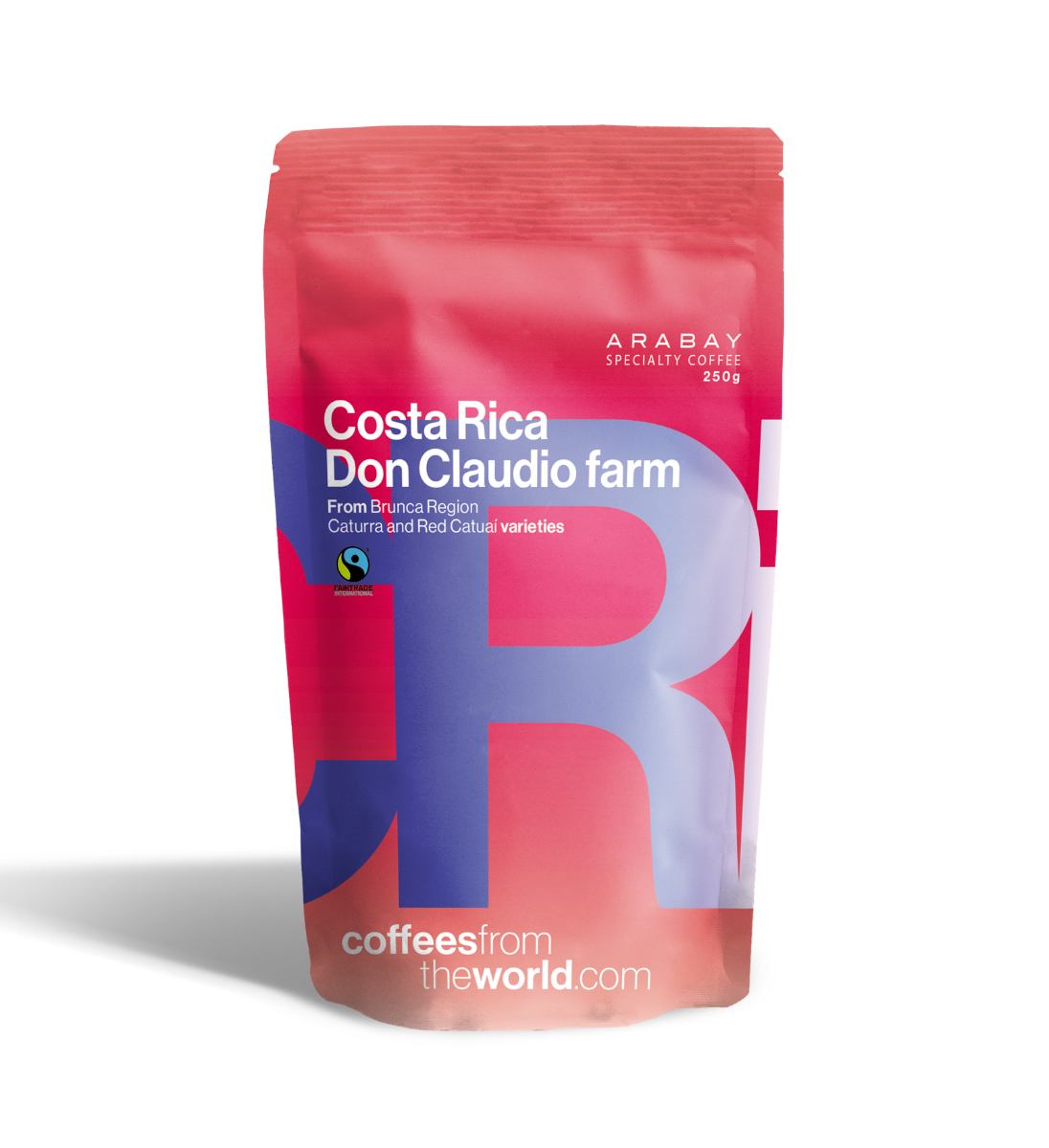
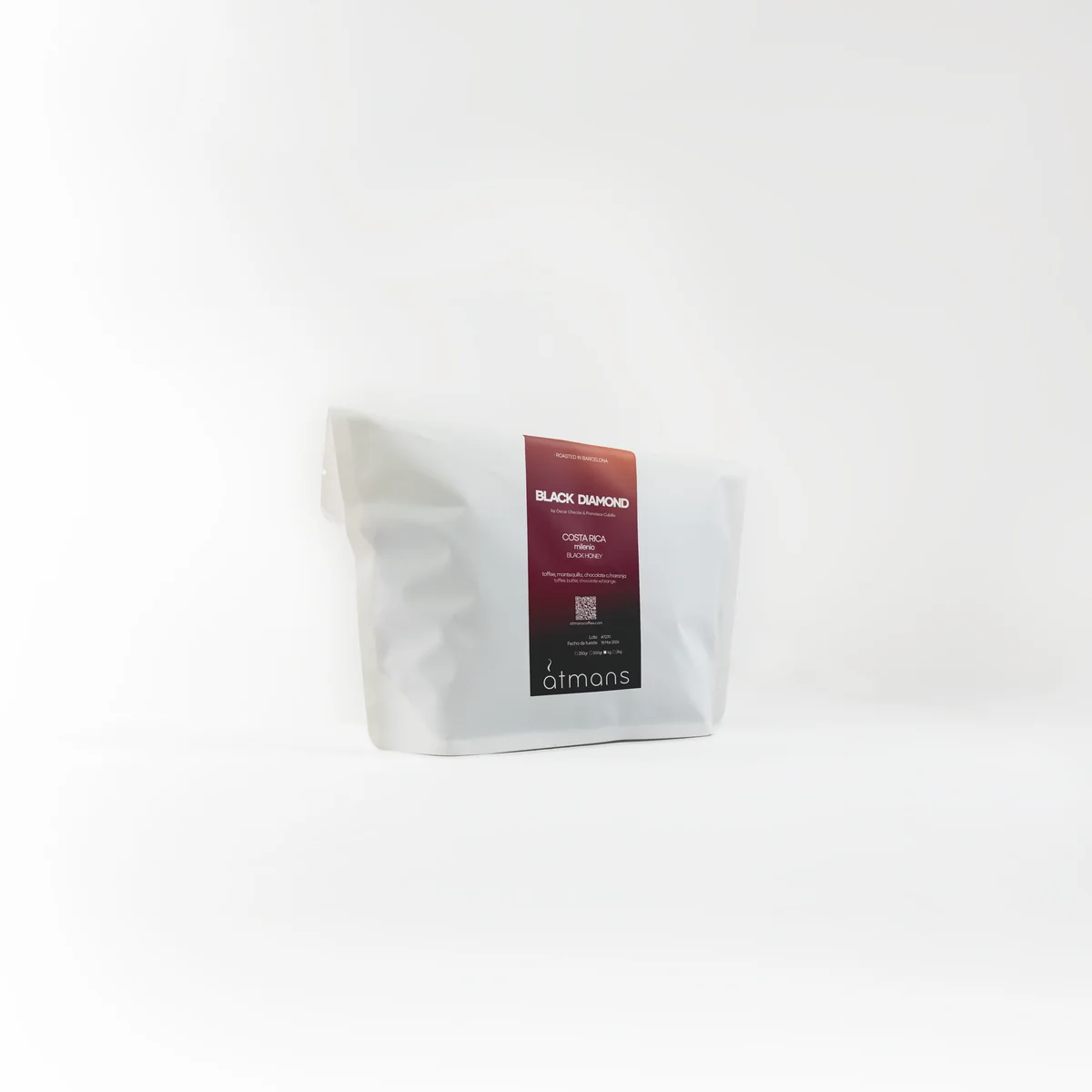
Catalog suggestions from this origin. Tap to open the coffee detail.




In Cafesito
Save coffees to your pantry, brew with method and keep your diary.