
Suggestions
No matching terms.

What sets it apart: Burundi is not one fixed flavour: it is a map of microclimates, elevations and producing cultures. What sets it apart is geography (ranges, volcanoes, plateaus), genetic heritage and how washing stations and farms turn cherry into parchment.
How it’s produced and typical processing: Typical production sits between 1400–2100 m (often 1650–1900), focused on arabica. Common processing includes lavado, natural—from clean washed lots to naturals and controlled experiments by region. Harvest is usually March–June.
Flavours in the cup: In the cup, lots from Burundi often suggest sweet citrus, tea, honey and berries. Process, variety and roast can shift the profile a lot: use it as a compass, not a fixed label.
Typical process in specialty: In specialty, Burundi guides a country-level search, but you should still read region (Kayanza, Ngozi, Muramvya, Bubanza), producer, variety and process. Gentle filter extraction avoids masking its delicacy.
Technical notes and common mistakes: Do not mistake Burundi for one farm profile or an automatic quality guarantee. Avoid assuming every lot tastes the same, ignoring altitude/process on the label, or paying only for the origin name.
Country details
Altitude, zones, species, varieties, processes and cup notes for reference.
Facts
- Altitude 1650–1900 · 1400–2100 m
- Main zones Kayanza · Ngozi · Muramvya · Bubanza
- Species arabica
- Cup profile sweet citrus, tea, honey and berries
- Brewing hints Gentle filter extraction avoids masking its delicacy.
- Harvest March–June
Suggested coffees
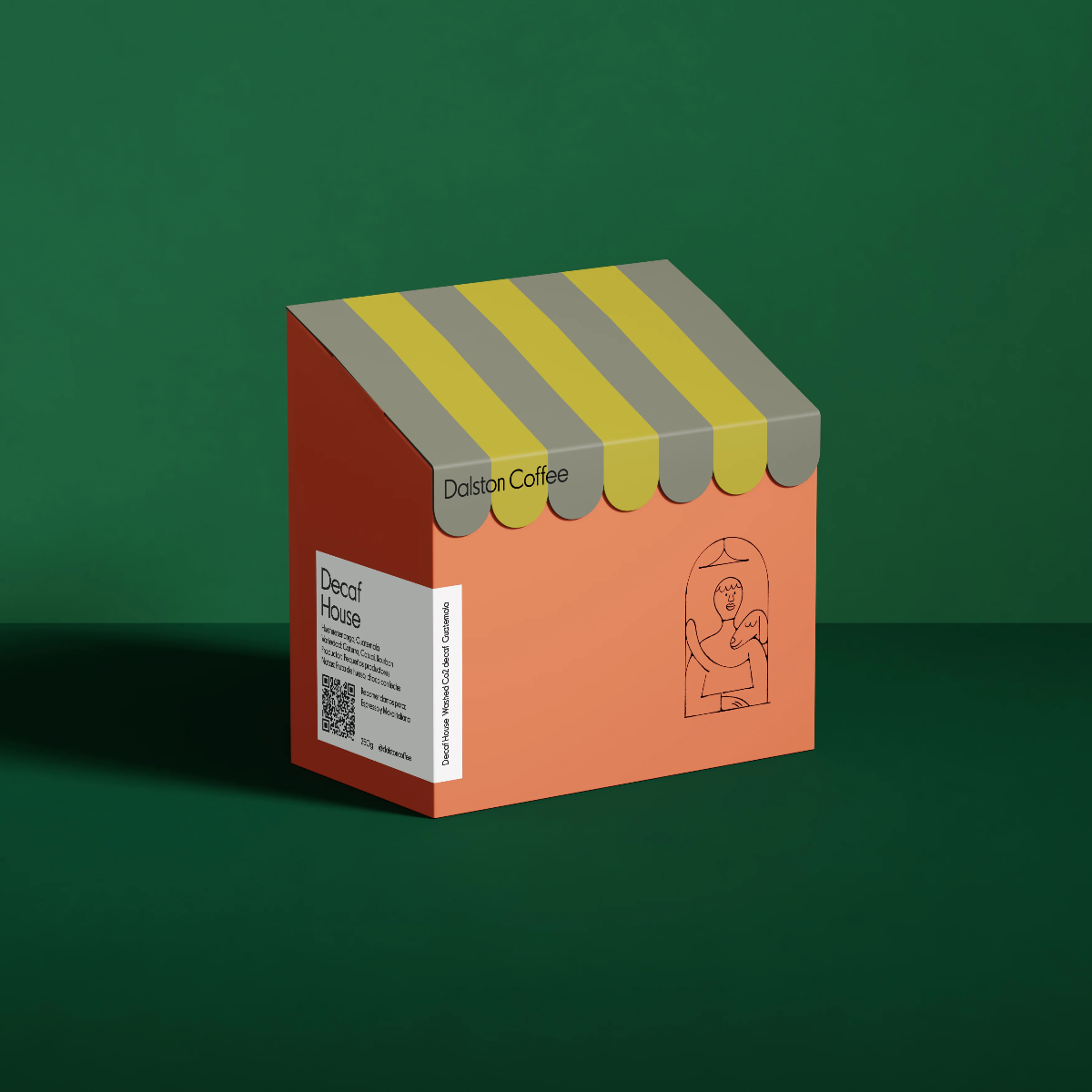
Catalog suggestions from this origin. Tap to open the coffee detail.
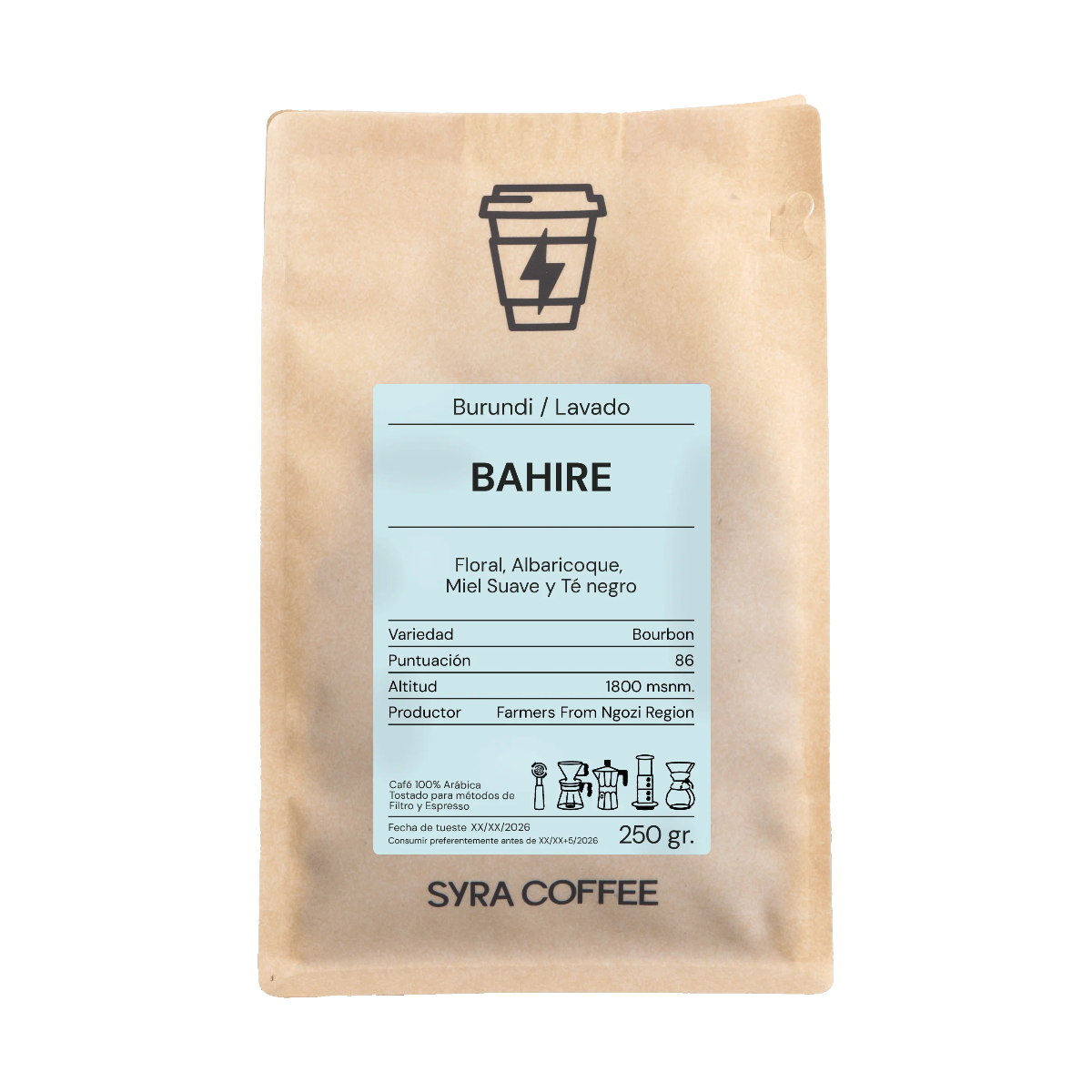
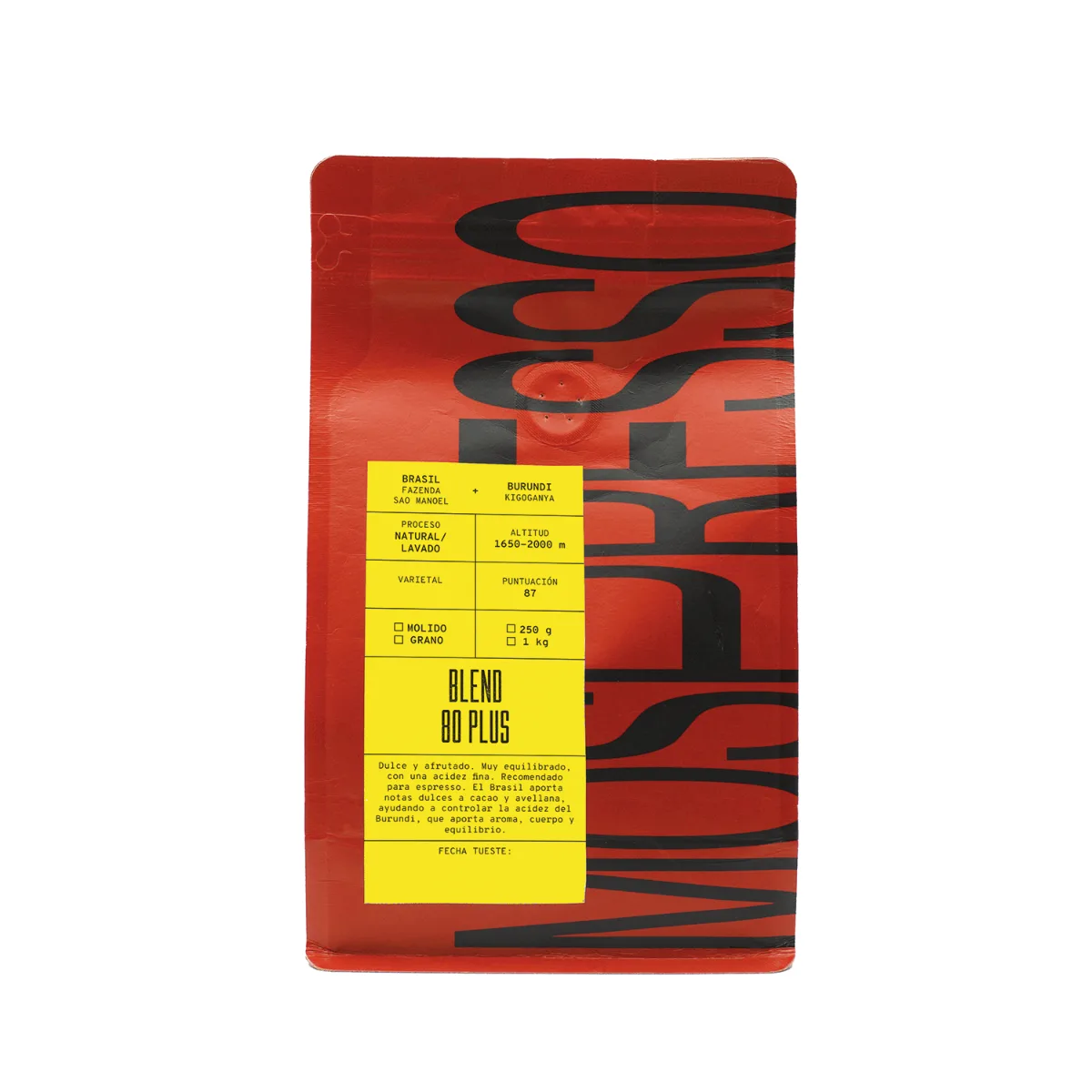
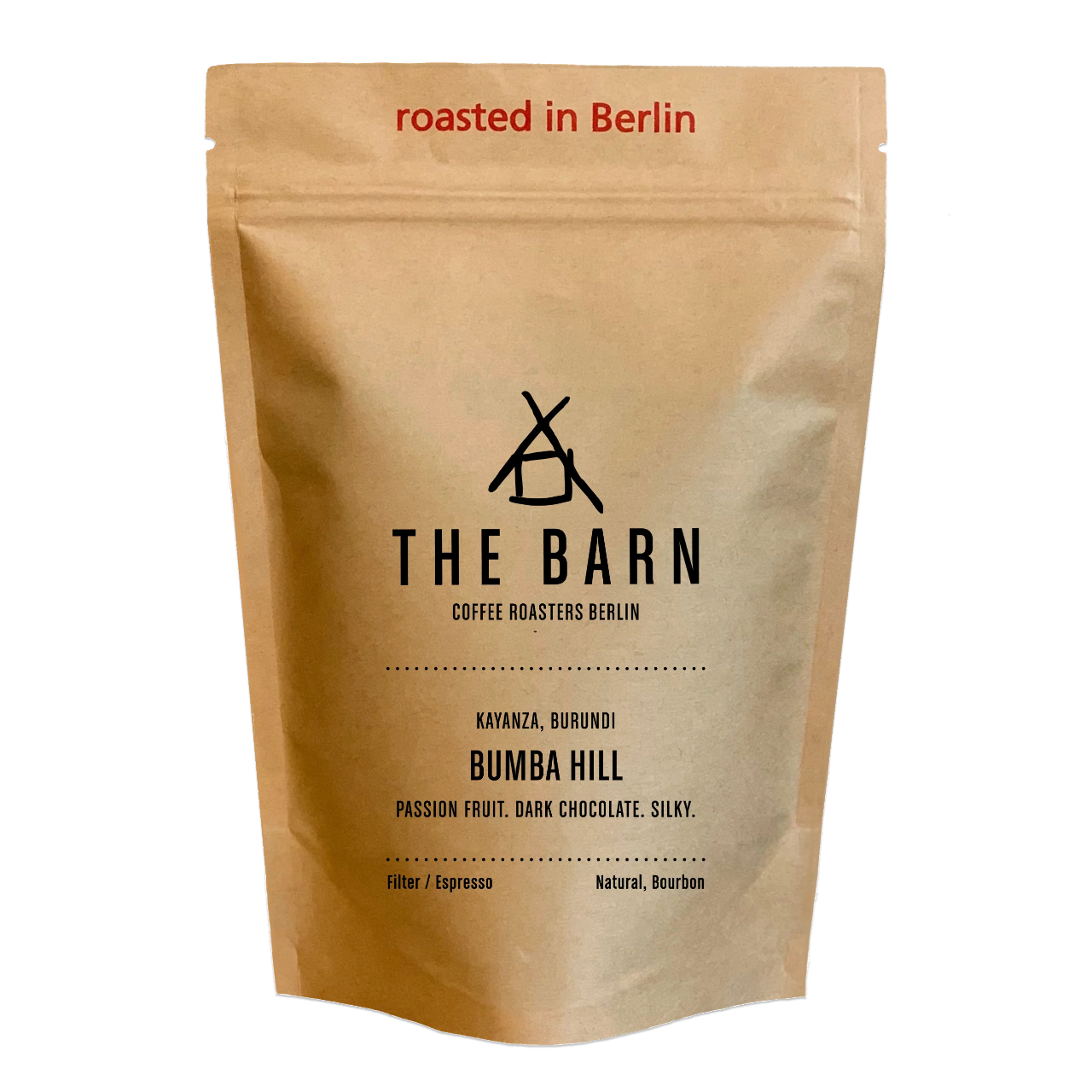
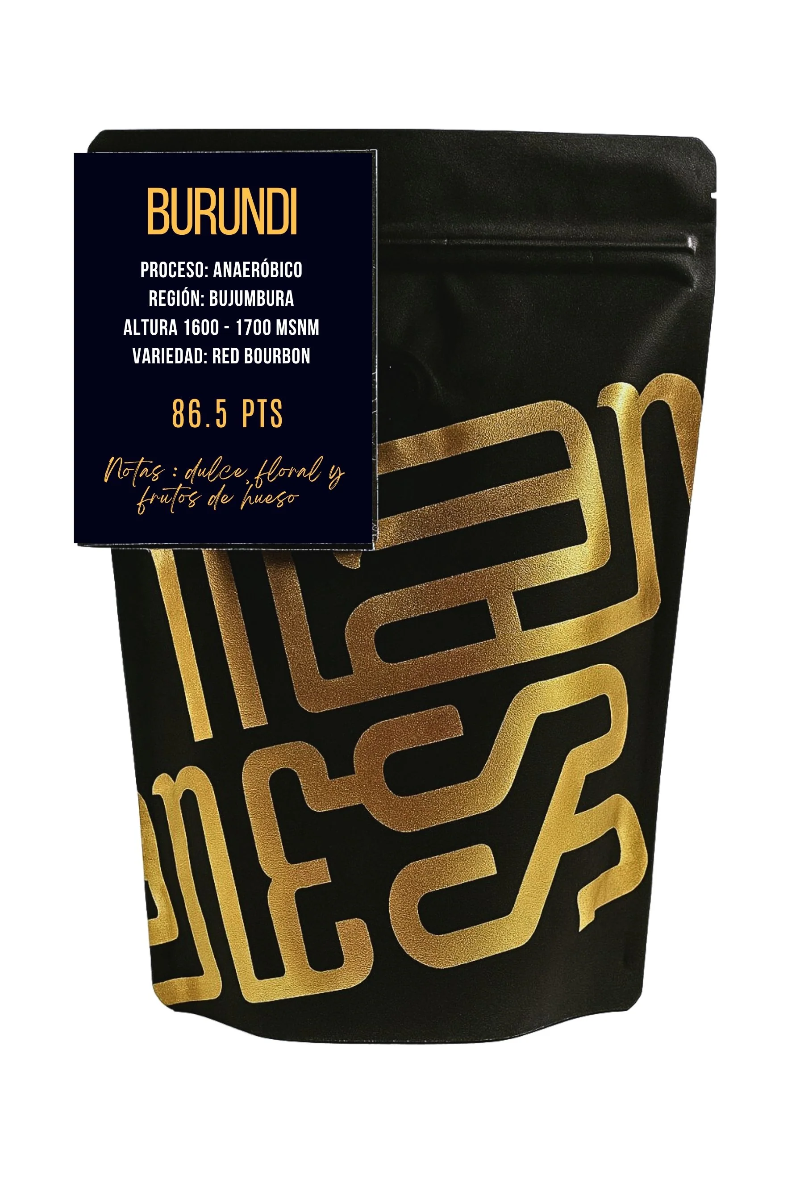

In Cafesito
Save coffees to your pantry, brew with method and keep your diary.